
For Pentecost Sunday, Tim Reardon asked us, “So what is the Holy Spirit? What place do we give the Spirit? How do we talk about her?” And “What do you imagine is happening on Pentecost?” Was this simply a sign, or is there more going on here? And what does the Spirit do?
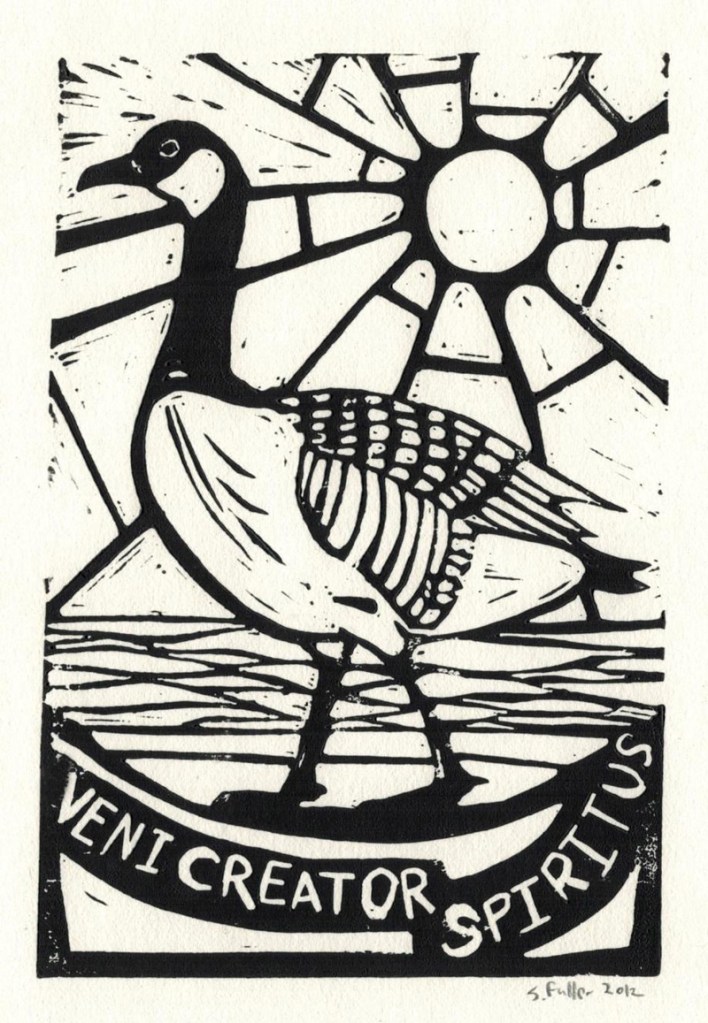
Tim invites us to consider the movement of the Spirit of creation. He considers four movements in the Acts 2: 1-21 passage: hovering, invading, distributing and worshipping.
The passage takes place on Pentecost, a Jewish pilgrimage feast, where Jews from all over the world descend on Jerusalem to offer sacrifices at the temple. The community of disciples, some 120 women and men, waiting covertly for what Jesus called the promise of the Father. Suddenly a dramatic, cosmic event occurs. A sound comes from heaven like a violent wind, bearing down on them and filling their house. This is a storm, disrupting, destroying and making things new. Amidst this violent wind come tongues of fire that separate, are distributed, and sit on each of the disciples. This is the Spirit.
Pentecost is not the first that we see of this Spirit. Nor did she come first driving Jesus into the wilderness, nor overshadowing Mary at Jesus’ birth, nor did she come first to the prophets of old. This is the same Spirit as the Spirit of Creation who in the beginning hovered over the chaos and the formless void. Peter’s apocalyptic language of cosmic upheaval brings to mind this Spirit of Creation. Yet at the same time, in Peter’s language in Acts, the sun is darkened and the moon is turned to blood. This Spirit is not simply the Spirit of Creation, but the Spirit of Creation and dismantling, the Spirit of transformation, the Spirit of doing and undoing. And this formation and renewal is not simply relegated to human hearts, but extends to the powers, the principalities and the structures of the world. That is what is in view in Pentecost. This is what Peter imagines being shaken at their foundations. And all of this remains an act of creation.
Listen in as Tim tells delves deeply into the meaning of Pentecost as an ongoing fulfillment that all creation be at one with God in peace and reconciliation in unity and wholeness — including us.


 Pasadena Mennonite Church